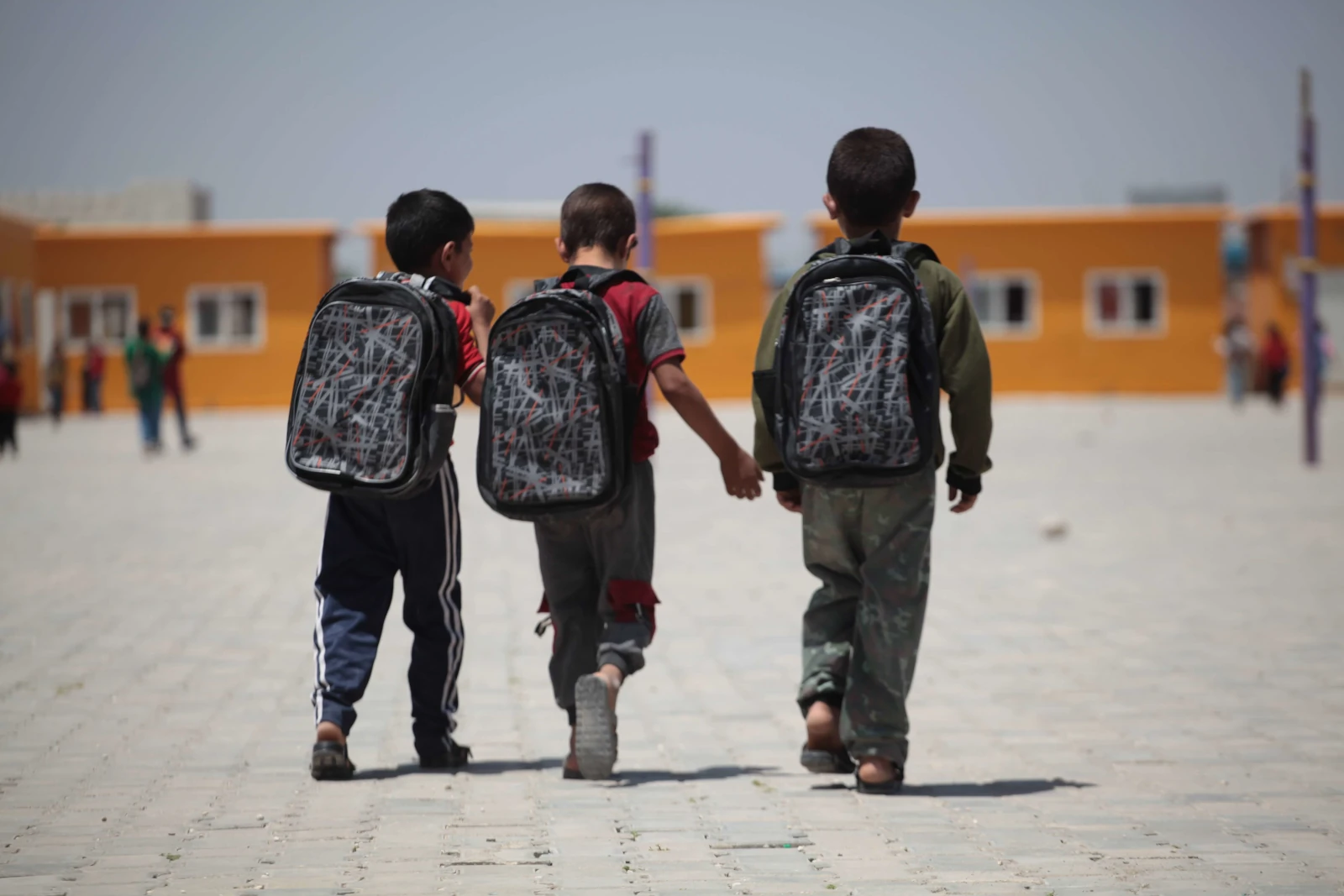
Years of conflict in Northwest Syria have devastated infrastructure and disrupted access to safe, inclusive education. Many children—especially those displaced or living in informal settlements—face barriers to learning and are exposed to violence, trauma, and psychosocial distress. Schools often lack basic protections, and the absence of safeguarding mechanisms puts children at heightened risk. Addressing these challenges requires a holistic approach that integrates education, protection, and mental health support.
Through the UK aid-funded Manahel programme, delivered by Chemonics, we’ve been working with local partners to create safe, inclusive, and quality learning environments for children in conflict-affected areas. From 2018 to 2023 (Phase I) and continuing through 2027 (Phase II), our approach focuses on:
Child safeguarding and protection: We co-developed a safeguarding policy with Education Directorates outlining school roles and procedures, and rolled it out across all supported schools. In partnership with School Child Protection Committees, we monitored and promoted compliance, contributing to an 88% reduction in corporal punishment incidents since 2019. Following Syria’s liberation, we are now supporting the Ministry of Education to expand safeguarding best practices nationwide through targeted Technical Assistance.
Psychosocial support: We provided structured psychosocial support to over 97,060 students, 4,368 caregivers, and 3,700 school staff, including social sessions, community workshops, and staff care activities. These interventions help children and educators manage stress, trauma, and emotional regulation.
Trauma-informed care: We helped to embed social-emotional learning (SEL) in classrooms in Syria, and trained teachers and caregivers to recognise and respond to children’s trauma symptoms and distress. Due to the prevalence of substance abuse and self harm among young people in Syria, Manahel led a successful campaign to restrict access to toxic substances and integrated suicide prevention into the programs’ safeguarding framework.
Service delivery improvements: We established over 250 child-friendly safe spaces and doubled case management capacity—from 3.5% to 7% of beneficiaries—ensuring more children receive individualised protection support. To reinforce these efforts, we trained staff and strengthened referral pathways to enhance child protection and wellbeing.
Policy development and advocacy: We coordinate an advocacy group with partners like Hurras Network, Syria Relief, Orange, and Takaful. It emphasises safe and equitable access to education, mental health, and resilience, and aligns with global campaigns like Safe Back to School.
Originally published at: https://www.chemonics.com/case-study/protecting-children-and-promoting-wellbeing-in-northwest-syria/